
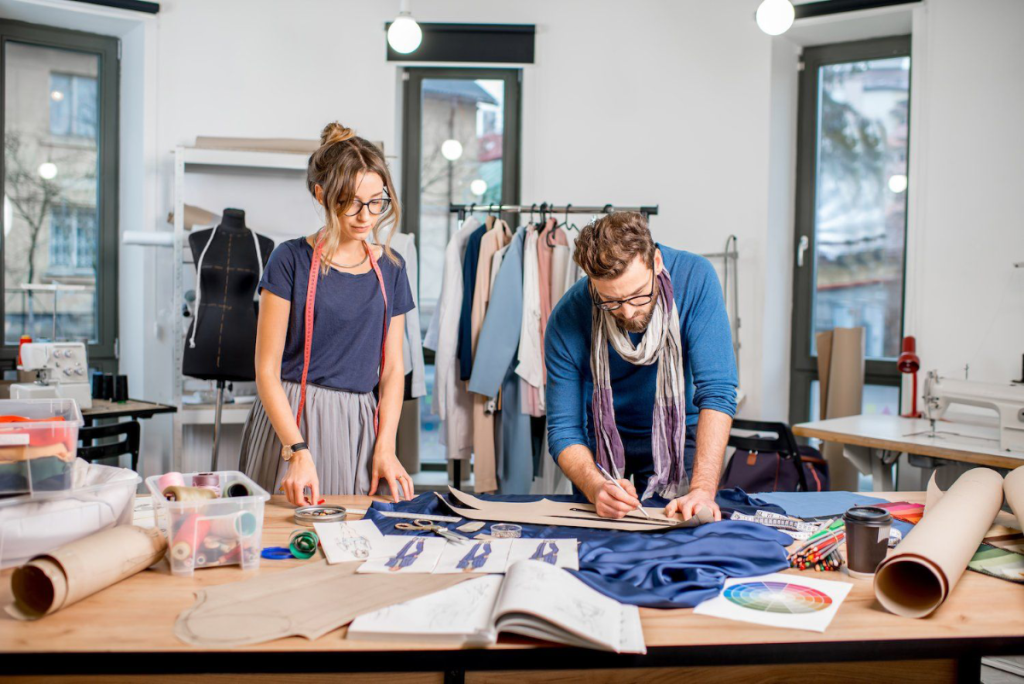
Apparel merchandiser job description: A complete guide for the modern garment industry
If the garment industry were a movie, the apparel merchandiser would be the director. They don’t sit under bright spotlights or walk the ramp in dazzling outfits, but without them, the entire show would collapse. Their role bridges creativity, business, and production — ensuring that every design idea turns into a finished product ready to meet customer expectations.
In this guide, we will explain the apparel merchandiser’s job in very simple words, using real examples from factories, buying offices, and brand showrooms.
Who is an apparel merchandiser?
An apparel merchandiser is the link between the buyer and the factory. They translate the buyer’s vision into technical and production requirements, coordinate with suppliers, manage timelines, and make sure the right product is delivered at the right time, in the right quality.
Think of them as the air traffic controller of fashion manufacturing — guiding multiple moving parts to land smoothly.
Core responsibilities in the apparel merchandiser job description
Here’s what you’ll actually do if you step into this role:
A. Understanding buyer requirements
- Study the buyer’s tech packs, style details, and target market.
- Discuss design changes, fabric options, and price points.
- Clarify unclear details before production starts.
B. Product development
- Source fabrics, trims, and accessories.
- Develop samples (fit sample, lab dip, PP sample) based on buyer specifications.
- Work closely with designers, pattern makers, and sample rooms.
C. Time and Action (TNA) calendar management
- Plan the entire order timeline from fabric booking to shipment.
- Track each milestone to avoid delays.
- Adjust schedules if suppliers or production face hiccups.
D. Costing & negotiation
- Prepare garment cost sheets.
- Negotiate prices with suppliers while maintaining quality.
- Balance cost efficiency with buyer expectations.
E. Quality control
- Approve bulk fabric and trims before production.
- Conduct inline and final inspections.
- Ensure the product meets quality standards before shipment.
F. Communication
- Maintain regular contact with buyers, suppliers, and production teams.
- Provide production updates.
- Handle any last-minute changes professionally.
Skills required for an apparel merchandiser
This job isn’t for the faint of heart. To succeed, you’ll need:
- Strong communication skills (both written and verbal).
- Negotiation skills to work with suppliers and buyers.
- Attention to detail to catch issues before they become disasters.
- Time management to handle multiple orders at once.
- Problem-solving mindset for unexpected challenges.
- Basic technical knowledge of fabrics, sewing, and garment construction.
A day in the life of an apparel merchandiser
Here’s what a typical workday might look like:
- Morning – Check emails from buyers and suppliers.
- Mid-morning – Follow up with the fabric supplier.
- Afternoon – Visit the production floor to check progress.
- Evening – Update the buyer on order status.
Every day is different. Some days you solve fabric delays, other days you check samples for approval.
Why this job is important
Without a merchandiser, the production process can become messy. Fabrics may arrive late, designs may not match, and shipments may miss deadlines. Merchandisers make sure everything runs smoothly.
Career path and opportunities
Many merchandisers begin as assistant merchandisers. With time and experience, they move up to senior merchandiser, merchandising manager, or even sourcing director. Some later shift into jobs like buying house, supply chain manager, or start their own clothing brand.
Practical tips for aspiring apparel merchandisers
- Learn Excel — TNA calendars, costing sheets, and production tracking live here.
- Improve your email communication — it’s the primary way you’ll deal with buyers.
- Understand basic garment construction — so you can spot production problems quickly.
- Stay updated with fashion trends — it helps in understanding buyer expectations.
- Build strong supplier relationships — they can save you during tight deadlines.
Final thoughts
An apparel merchandiser is like the captain of a garment order. They guide the process from start to finish. If you enjoy planning, talking to people, and solving problems, this can be a great career for you.
💬 0 Comments
💭 Share your thoughts