
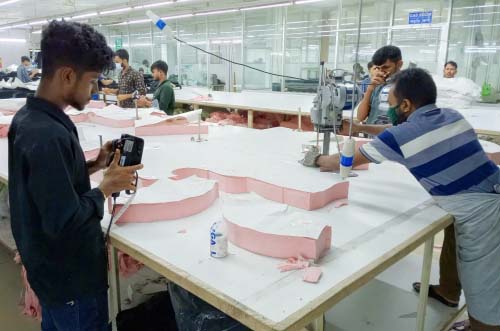
Fabric Quality Control Process — A Complete Guide for Smooth Garment Production
In the garment industry, fabric quality plays the most important role in ensuring smooth production. If the fabric has problems like shrinkage, twisting, or shade variation after the garment is completed, nothing can be done to fix it. That’s why the fabric quality control process must start long before cutting or stitching begins. A strong process saves time, reduces claims, and improves shipment performance.
In this article, we will explore the full fabric quality control process in a simple and practical way so anyone in merchandising, quality, or production can apply it easily.
Why fabric quality control matters
Fabric is the foundation of every garment. When the foundation is weak, the final product cannot meet expectations. Problems like wrong shade, poor GSM, twisting, or uneven shrinkage often appear when proper checking is not done at the beginning. These issues later cause delays, rejection, and production loss.
A smart quality control process helps to:
- Maintain shade consistency
- Control shrinkage and twisting
- Ensure proper GSM
- Reduce wastage
- Keep production smooth and on schedule
Now let’s break down the complete process step by step.
1. Shade matching – The first step in fabric quality control
Shade matching is one of the most sensitive parts of fabric inspection. Before bulk relaxation or cutting, the shade must match the approved lab dip or PP sample.
The shade must be checked under proper lighting conditions. The two most common and reliable lights are:
- D65 Light
- TL84 Light
Checking shades under these lights ensures that the fabric lies within the approved shade tolerance. If the shade does not match properly, the bulk must not be allowed for further processing.
Shade continuity in bulk is essential because even a small variation can create a big problem in stitching and finishing.
2. Fabric relaxation time — Key to prevent Shrinkage issues
Relaxation is a step many factories ignore or rush through, but it is one of the most powerful parts of the fabric quality control process. Proper relaxation helps the fabric adjust naturally and release tension.
Recommended minimum relaxation time:
- Single Jersey: minimum 8 hours (standard 12–24 hours)
- Pique: minimum 12 hours (standard 12–24 hours)
- Fleece: minimum 12 hours (standard 12–24 hours)
If relaxation is not done properly:
- GSM may change
- Shrinkage may increase
- Twisting may occur
- Measurement becomes inconsistent
A relaxed fabric behaves more naturally during spreading, cutting, and washing.
3. 4-Point system fabric inspection
Globally, the 4-point fabric inspection system is the most trusted method for checking fabric quality. Every roll from every batch must be inspected.
Through this system, the following issues are identified:
- Holes
- Knots
- Thick or thin places
- Stains
- Barre marks
- Selvage problems
- Incorrect dyeing patches
If any fabric roll crosses the tolerance limit, a report must be made immediately so action can be taken without delay. This step reduces claims and unwanted production errors.
4. GSM, Shrinkage & Color Fastness Testing
Testing is the backbone of fabric quality control. Every batch should go through essential physical and chemical tests.
Testing Method
From each batch:
- Cut a 50 cm × 50 cm wash bag
- Test for:
- GSM
- Shrinkage
- Color fastness
- Twisting
The wash test must follow the buyer’s exact temperature, duration, and method. Many issues appear only after washing, so this step is extremely important.
Accurate testing ensures that the fabric will behave correctly during production and after the garment is washed by the customer.
5. Laying permission — Final step before cutting
Cutting should never start until all tests pass. Once shade, relaxation, inspection, and wash results are approved, the laying team can begin.
Standard guidelines:
- Maximum lay height: 3.5 inch
- Single jersey maximum lay: around 150 layers
(May vary based on fabric type and marker planning)
Proper laying ensures smooth spreading, prevents tension, and maintains measurement accuracy.
Benefits of following a solid fabric quality control process
When a factory follows all the steps strictly, several benefits appear naturally:
- Shade is consistent from piece to piece
- Shrinkage remains under control
- Twisting and torque problems reduce
- Cutting becomes accurate
- Sewing and finishing become smoother
- Customer complaints drop
- Production efficiency increases
- Shipment timeline improves
Simply put, a strong fabric QC process saves money, time, and effort.
Final thoughts
The fabric quality control process is not just a routine checklist. It is a complete system that ensures the garment is produced with accuracy, consistency, and confidence. From shade checking to relaxation, 4-point inspection, GSM testing, and proper laying — each step plays a major role in final garment quality.
When factories follow this process with discipline, the chances of rejection or claim drop significantly. Production flows smoother, and the final product meets the buyer’s standards easily.
Quality starts with fabric. When fabric is right, everything becomes right.
💬 0 Comments
💭 Share your thoughts